Tag: #BRICS

  • BRICS Without the Dollar: How a New Currency Could Shake the American Economy

    Pixabay

    BRICS Challenging Dollar Dominance

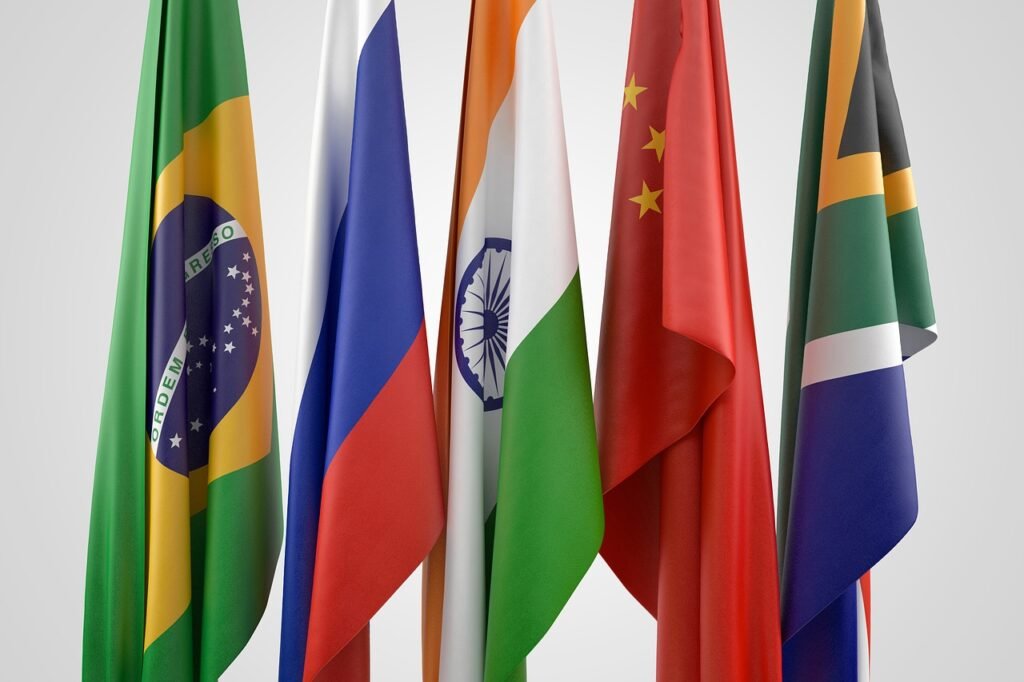
    The BRICS group — Brazil, Russia, India, China, and South Africa — is coordinating ways to trade among themselves using their own currency, different from the U.S. dollar. This move has the potential to weaken the dollar’s hegemonic position as the global reserve currency and the standard for international trade transactions, a status that has supported the economic power of the United States for decades.

    Domino Effect: Declining Demand for the Dollar

    The dollar maintains its value and influence mainly because it is widely used in international trade and held in central bank reserves. If the BRICS countries start trading among themselves in their own currency, global demand for the dollar will plummet. Fewer dollars circulating internationally means a devaluation of the American currency, rising inflation, and loss of U.S. purchasing power.

    Sanctions and Influence Power Compromised

    The United States uses the dollar as a geopolitical weapon: it controls the global financial system and imposes economic sanctions that hit countries and companies challenging its interests. If BRICS adopts another currency, member countries can circumvent these sanctions, drastically reducing U.S. influence on the international stage.

    Impact on U.S. Deficit Financing

    The U.S. depends on selling Treasury bonds to finance its public deficit since international investors buy these bonds with dollars. With reduced use of the dollar, fewer countries and foreign investors will be interested in these bonds, increasing U.S. interest rates and making it harder to finance American debt, potentially leading to a severe fiscal crisis.

    Consequences for the Financial Market and U.S. Domestic Economy

    Losing reserve currency status may trigger capital flight, instability in the U.S. financial markets, and less easy credit, which has fueled U.S. economic growth for decades. This impacts jobs, investments, and the standard of living of Americans.

    Resistance and Uncertain Future

    Although the U.S. still holds economic and technological advantages, the possibility of a strong and united economic bloc like BRICS using its own currency poses a real and growing threat to American supremacy. The future will depend on the U.S.’s ability to adapt or respond to this structural change in the global financial system.
    References

  • Canada Responds to Trump’s Tariffs and Flirts with BRICS

    Pixabay

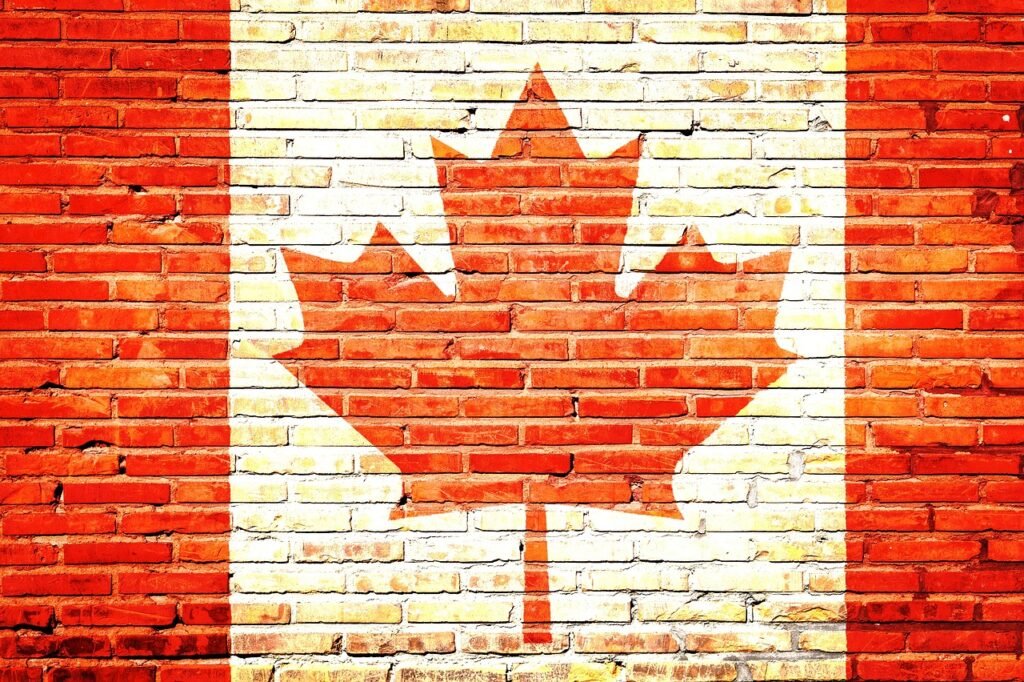
    The trade dispute between Canada and the U.S. is no longer just about money — it is starting to shape new alliances. With increasingly tough tariffs, especially on lumber and steel, Canada is responding with domestic measures and seeking new partners, such as BRICS. The question is: are we witnessing a historic repositioning of the country?


    Ottawa’s Immediate Response

    In recent weeks, the Canadian government announced a package of up to 1.2 billion Canadian dollars to support the lumber industry, which has been hit hard by tariffs imposed by the Trump administration. The goal is to prevent job losses and maintain competitiveness in the global market, even with the extra weight of American tariffs.


    Market Diversification

    Canadian companies have accelerated their search for new trade partners, increasing exports to countries in Asia, Africa, and Latin America. This diversification strategy aims to reduce the country’s historical dependence on the U.S. market, which still accounts for a significant share of Canada’s foreign trade.


    Interest in BRICS

    BRICS — formed by Brazil, Russia, India, China, and South Africa, and now expanded to include Egypt, Saudi Arabia, and others — has emerged as an alternative route. With growing economies and increasingly robust trade agreements, the bloc offers Canada the chance to expand its global reach while reducing vulnerability to Washington’s decisions.


    Pragmatism Over Ideology

    Analysts stress that Canada’s approach to BRICS does not signify an ideological break with the U.S., but rather a pragmatic stance. Ottawa wants more strategic options at the negotiating table and does not wish to be dependent on a single partner, especially in times of political and trade uncertainty.


    References:


  • Canada and BRICS: A New Perspective on Global Relations

    Pixabay

    BRICS and Its Expansion

    BRICS, originally formed by Brazil, Russia, India, China, and South Africa, has been expanding to include countries like Egypt, Ethiopia, Indonesia, Iran, Saudi Arabia, and the United Arab Emirates. This expansion reflects growing dissatisfaction with the Western-dominated economic order and a search for alternatives that offer greater autonomy and influence on the international stage.

    Canada’s Role in Global Relations

    Canada, traditionally an ally of the United States and a G7 member, has faced challenges in its trade relations with the U.S., especially after high tariffs imposed by former President Donald Trump. These developments have led Canada to reconsider its alliances and explore new strategic partnerships.

    Canada’s Interest in BRICS

    Although there is no official confirmation that Canada has applied to join BRICS, there is speculation about a possible interest in strengthening ties with the bloc. Growing tensions with the U.S. and the desire for economic diversification may motivate Canada to consider BRICS as a viable alternative to strengthen its position in global trade.

    Implications for Canadian Trade and Foreign Policy

    Closer ties with BRICS could offer Canada access to new markets and investment opportunities. However, questions arise about democratic values and human rights, especially concerning some BRICS members. Canada would need to balance its economic interests with its ethical and political commitments when considering deeper collaboration with the bloc.


    References