Tag: #TradeWar

  • Brazil–US Crisis: Sanctions and Sovereignty

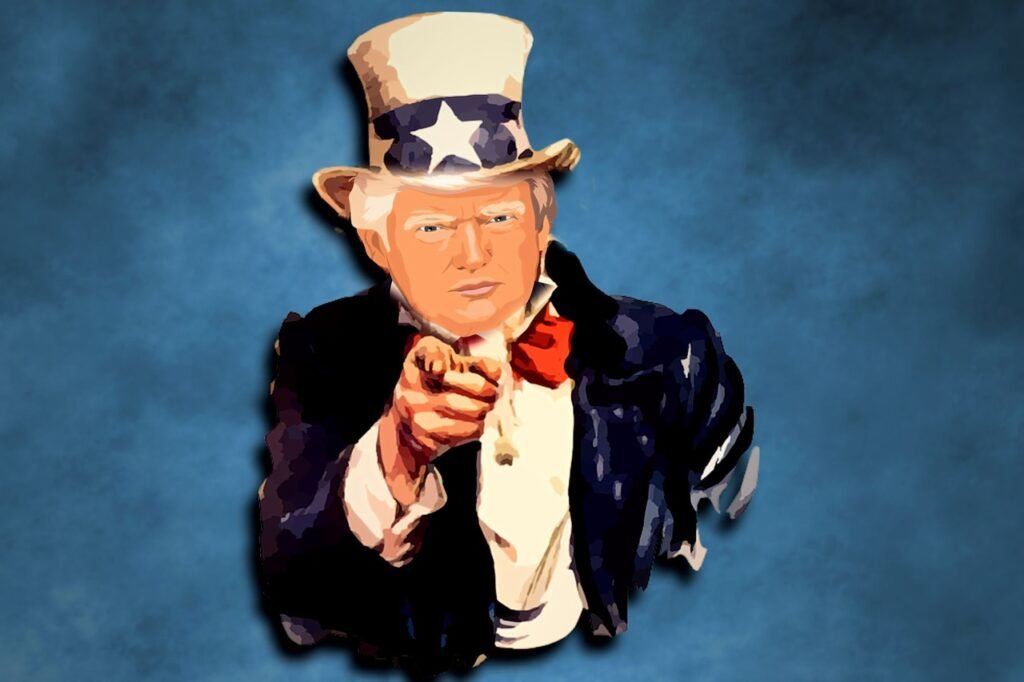
    Donald Trump has increased pressure on Brazil. With new tariffs and sanctions against Supreme Court Justice Alexandre de Moraes, the crisis has deepened. Both the public and the government are now asking: why is the U.S. waging a battle against Brazil’s sovereignty?

    The Bolsonaro Case and Foreign Interference

    The crisis began with the trial of former President Jair Bolsonaro, accused of attempting a coup after the 2022 elections. Trump, a close ally of Bolsonaro, criticized the trial and called it a “witch hunt.” In response, the U.S. sanctioned Alexandre de Moraes, accusing him of abuse of power and human rights violations.

    Tariffs and Their Impact on Brazil’s Economy

    In addition to sanctions against Moraes, the U.S. raised tariffs by 50% on key Brazilian exports like coffee and beef. This could hurt nearly 36% of Brazil’s exports to the U.S., leading to major economic losses.

    How Economic Persecution Can Cripple Nations

    U.S.-driven sanctions and punishments can severely damage countries like Brazil. These actions restrict international trade, discourage foreign investment, and raise the cost of imports and exports. The result is lower production, rising unemployment, and higher prices. Ultimately, it’s ordinary people who suffer — paying the price for political decisions beyond their control.

    Sanctions May Lead to Rising Unemployment and Poverty

    As the economy weakens due to sanctions, businesses often shut down or lay off workers. Unemployment rises, and more people are left without income. With less money circulating, poverty spreads, and families struggle to cover basic needs like food, housing, and healthcare.

    Brazil’s Response

    The Brazilian government has called the sanctions a clear interference in national sovereignty. Leaders, including those from the Supreme Court, have defended Alexandre de Moraes, insisting that the Brazilian justice system must remain independent and free from foreign pressure.

    The Road Ahead

    While Brazil seeks international support and considers its next steps, the population is already feeling the effects of U.S. sanctions. The government must act quickly to protect the nation’s interests and reduce the impact on its citizens.

    A Power Struggle Over Sovereignty

    Donald Trump has launched a serious power struggle against Brazil’s sovereignty. By imposing sanctions and interfering in internal decisions, the former U.S. president has turned political disagreements into a global power conflict. With its economy already under strain, Brazil now faces pressure from a superpower determined to assert its will — using trade, diplomacy, and even financial systems as weapons.


    References

  • Trump and the Tariff Empire: A Global Economic Bully

    Since returning to the U.S. presidency in 2025, Donald Trump has launched an unprecedented tariff offensive against allied countries and key trading partners. It’s the peak of a policy driven more by authoritarian rhetoric than by sound economic strategy — a true case of economic bullying.


    An Authoritarian and Unilateral Approach

    Trump imposed steep tariffs — 50% on Brazilian goods, 25% on imports from Japan, Canada, and Mexico, and up to 55% on Chinese products — all based on vague claims about trade deficits or political alignment (as seen in accusations against former President Bolsonaro).

    These measures are implemented regardless of World Trade Organization rules or long-standing trade relationships. Economists harshly criticize the lack of strategic planning, warning that the exclusive focus on goods deficits ignores the role of services and global supply chain complexity.


    The World as a Target: No One Is Safe

    While most world leaders pursue multilateral agreements, Trump stands alone as the only global leader systematically issuing tariff orders year after year. He’s imposed bilateral tariffs on over 90 countries — including NATO allies, the EU, and emerging economies such as Brazil, Japan, and South Korea.

    This coercive strategy often blurs the line between personal and national interests — as seen when Bolsonaro’s legal situation was tied to sanctions against Brazil, turning domestic politics into tools of international leverage.


    Global Backlash: Retaliation and Damage to U.S. Credibility

    The international response was swift and coordinated. Canada and the European Union announced retaliatory tariffs on billions of dollars’ worth of American products, increasing the risk of a full-blown global trade war.

    In Brazil, the fallout was immediate: the real depreciated, the stock market dropped, and industries like coffee, meat, aluminum, steel, and even Embraer faced major setbacks. Embraer’s CEO compared the tariff impact to the shock felt during the pandemic.


    Economic Bullying: The Politics of Intimidation

    More than just a trade policy, Trump’s actions resemble a bullying tactic on a global scale — public threats, unilateral moves, and demands framed as non-negotiable. He pressures nations with loud threats, only to back off or go silent when the approach becomes counterproductive — a pattern some analysts have dubbed “Trump Always Chickens Out.”


    Brazil Pushes Back: Reciprocity and Sovereignty

    The Brazilian government responded forcefully. President Lula emphasized the country’s sovereignty and criticized the U.S. for acting unilaterally. Finance Minister Haddad warned that such measures harm both global trade and sustainable deglobalization.

    Brazil passed the Economic Reciprocity Law, allowing equivalent tariffs if Trump follows through on the 50% hike. The country is also considering taking the issue to the World Trade Organization (WTO).


    A Global Leader or a Global Bully?

    Trump is using tariffs as instruments of global coercion — an aggressive, isolationist stance with few historical parallels in U.S. diplomacy. Since 2025, he has stood as the only global leader enforcing systematic punitive tariffs, acting like an economic bully who disregards multilateral protocols and often bypasses objective data in favor of personal dominance.


    References